The Mosel wine-region, known for its steep vineyards, historic towns and the charming Mosel valley, not only has a long wine-growing tradition dating back to the Romans. In addition to grapes, other fruit is also processed into wine: Regional apples in the areas around Trier and along the Saar are used to make the “national drink” Viez (apple cider).
Apple cider, known as “Viez” in the Mosel-Franconian region, is a beverage that is also served in other regions, such as in France in the form of Cidre or in Frankfurt as Äppelwoi.
But what makes the local Viez so special?
It is characterized by its high proportion of wooden apples, which give it its typical tart taste thanks to their tannins. The alcohol percentage is quite low at 5.5 to 6.5% vol. (this depends on the fruit varieties used and the processing).
The history of Viez
Apple cider - like viticulture - has a deep-rooted history dating back to Roman times. Crab apples were already being collected and processed by the local Celtic tribes, but it took the invaders from the south to bring the cultivation of refined fruit varieties to the conquered territories. Since then, it has been impossible to imagine our region without fruit cultivation.
The term “Viez” occurs almost exclusively within an estimated radius of 50 to 70 km around Trier. Whether we also owe it to the Romans is disputed. The word “Viez” possibly comes from the Latin word “vice” - meaning “in place of" or "for”. In other words: apple cider instead of wine made from grapes. Originally, “vice wine” did not refer to fruit wine, but to an infusion made from grapes that had already been pressed and crushed. It was the common drink for people who could not afford real wine.
The same can still be said of Viez today: apples are easier and less expensive to grow than grapes, making apple cider significantly cheaper than wine made from grapes.
Apple varieties for Viez
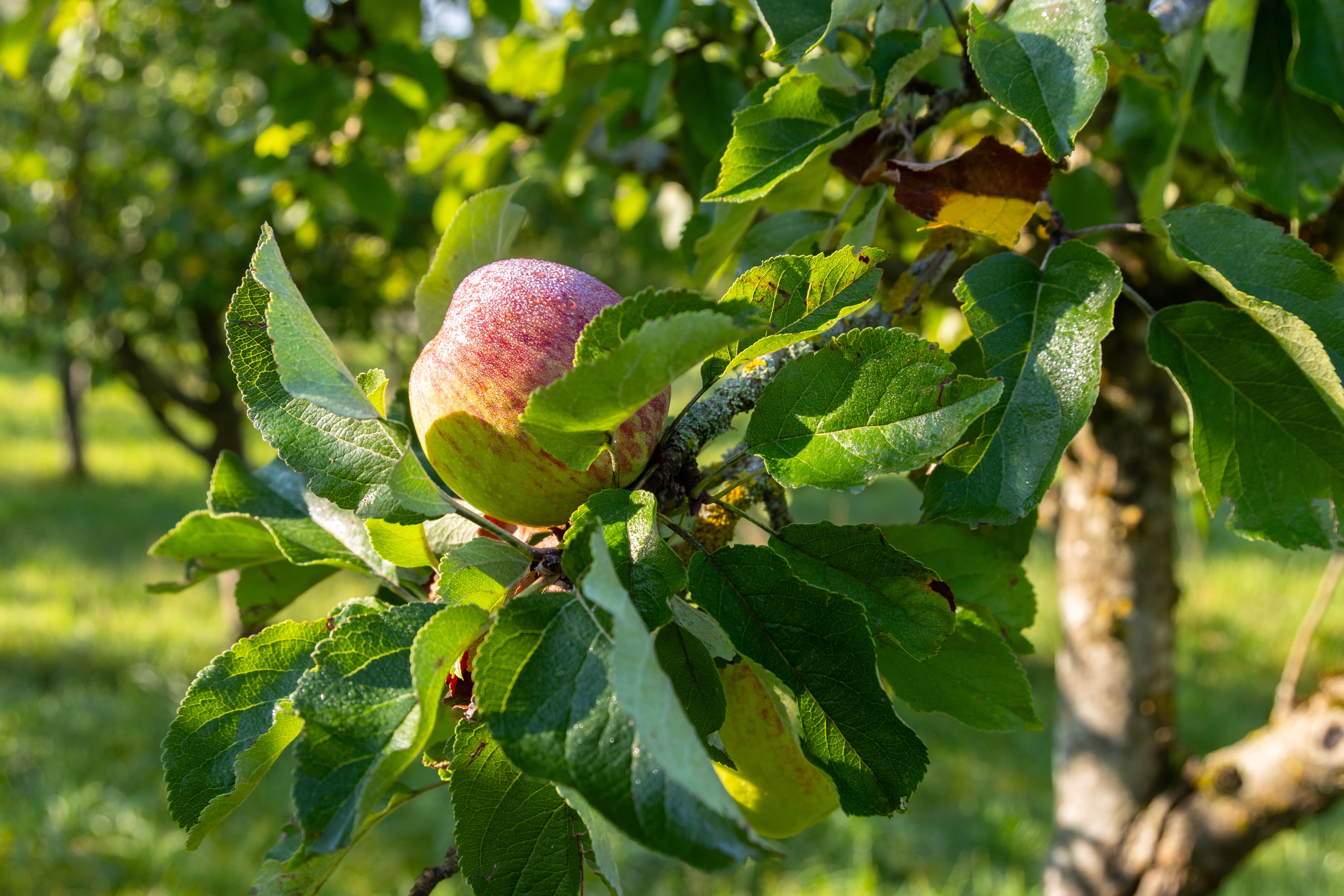
In some orchard meadows you can still see gnarled old trees bearing small apples: these are typical Viez apples. It's best not to eat them... They taste terribly sour and only release their sweet flavors during the apple cider production process.
Typical old varieties that grow in the Trier region include the red and white Trier Weinapfel, the Porzenapfel, the Wiesenapfel and the Bohnapfel.
UNESCO Commission designated 2024 Viez as intangible cultural heritage
One more World Heritage status for the Mosel region: in addition to the Roman UNESCO World Heritage sites in Trier and Igel, such as the Trier Cathedral and the Porta Nigra, the UNESCO Commission designated Viez as an intangible cultural heritage in 2024. This award not only recognizes the quality and uniqueness of the beverage, but also the cultural value it has for the people of the region.
Viez is more than just a beverage: it is a symbol of the combination of history, culture and nature on the Saar and Mosel.
Dive into the world of apple cider culture
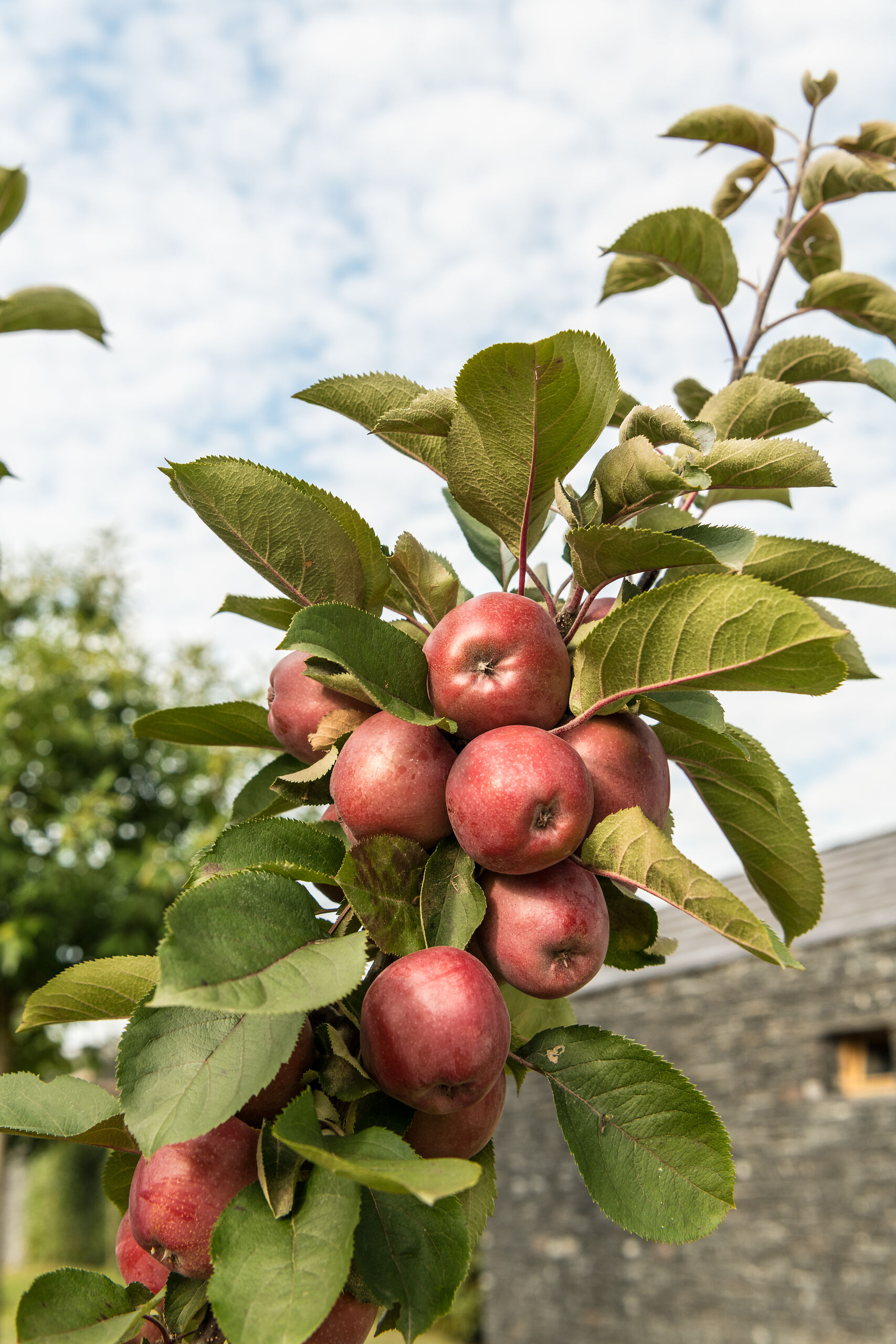
A special tip for anyone who wants to experience Viez in all its diversity is the Viezstraße, the Route du Cidre. This route leads through the most beautiful landscapes of the so-called Saargau region between Merzig and Trier. It connects Viez wineries, orchards and historical sites from all centuries. Along the Viezstraße, you can not only taste fermented and sweet Viez or fresh apple juice, but also learn more about its history and production.
You can also find what you are looking for off the beaten track in the region's numerous restaurants and at the many festivals: Viez is omnipresent. Served in the traditional “Poarz” - a white stone jug - Viez can be enjoyed pure or as a mixed drink (with cola, sparkling water or lemonade) in many restaurants.
Or how about something exotic: Viez Maracuja or Viez Aperol? And in the cold season, Glühviez offers a nice alternative to the traditional mulled wine.
Viez, a delicious drink in an infinite number of variations!
More information about Viez in the region can be found here: